
Your hair can look clean and styled while still being dry, weak, frizzy, or damaged underneath. That’s where a professional hair spa can make a real difference.
So, what are the hair spa benefits?
A hair spa is a conditioning and nourishing hair spa treatment designed to improve the feel, appearance, and manageability of your hair while giving the scalp and strands focused care. It can be especially useful for dry hair, frizz, dullness, and everyday styling or environmental stress.
But a hair spa isn’t simply “putting conditioner on your hair.” A professional treatment typically combines cleansing, conditioning, massage, and targeted products based on your hair and scalp needs.
What Is a Hair Spa Treatment?
A hair spa treatment is a professional conditioning service that focuses on nourishing the hair and supporting a healthier-feeling scalp.
Unlike a regular wash and conditioner, a hair spa generally involves several stages designed to give your hair more intensive care.
The exact products and technique can vary depending on your hair type, condition, and salon. A professional stylist may adjust the treatment for dry hair, frizzy hair, chemically treated hair, or a sensitive or oily scalp.
What Are the Main Hair Spa Benefits?
The biggest hair spa benefits are improved softness, hydration, manageability, and overall hair appearance.
A properly selected treatment may help:
- Reduce dryness and roughness
- Improve hair softness and shine
- Make hair easier to detangle and style
- Reduce the appearance of frizz
- Provide conditioning for stressed or damaged-looking hair
- Support a healthier-feeling scalp
- Give chemically treated hair additional conditioning care
However, it’s important to understand what a hair spa can—and cannot—do. A hair spa can improve the condition and appearance of the hair fiber, but it cannot permanently repair split ends or reverse severe structural damage.
Hair Spa for Dry Hair
Dry hair often feels rough, looks dull, and becomes difficult to manage.
A moisturizing hair spa can provide intensive conditioning that helps the strands feel smoother, softer, and more hydrated.
If your hair frequently feels dry after shampooing, heat styling, coloring, or exposure to sun and cold weather, a professional conditioning treatment may be worth considering.
Hair Spa for Damaged Hair
Hair can become damaged through repeated coloring, bleaching, heat styling, chemical services, friction, and environmental exposure.
A hair spa may help improve the feel and appearance of damaged hair by conditioning the strands and reducing roughness.
For significant chemical damage, however, your stylist may recommend a more targeted treatment rather than relying on a conventional hair spa alone.
Hair Spa as a Scalp Treatment
The scalp is the foundation from which your hair grows, so scalp care shouldn’t be overlooked.
Depending on the products used, a professional treatment may include gentle cleansing and massage that leave the scalp feeling refreshed.
If you experience persistent itching, excessive flaking, redness, sores, or unusual hair loss, a salon treatment isn’t a substitute for medical advice. Consider speaking with a qualified healthcare professional.
Hair Spa Procedure: What Happens During a Treatment?
A professional hair spa generally follows a straightforward process, although the exact procedure varies between salons.
1. Hair and Scalp Assessment
The stylist first evaluates your hair texture, dryness, damage, scalp condition, and previous chemical treatments.
This helps determine which products and conditioning approach are appropriate.
2. Deep Cleansing
Your hair is washed to remove accumulated oil, dirt, styling products, and environmental buildup.
Clean hair allows subsequent conditioning products to work more effectively on the strands.
3. Conditioning Treatment
A specialized mask or treatment is applied according to your hair’s needs.
For example, dry or coarse hair may benefit from a more moisturizing formula, while chemically treated hair may require a treatment focused on conditioning and manageability.
4. Scalp Massage
A gentle scalp massage is commonly incorporated into a hair spa.
Besides making the service relaxing, massage helps distribute products across the scalp and can make the treatment feel more restorative.
5. Processing
The conditioning treatment is allowed to sit for a specified period, sometimes with controlled warmth depending on the product and salon protocol.
6. Rinse and Finish
The treatment is rinsed thoroughly before the stylist dries and styles the hair.
The result should be hair that feels cleaner, softer, smoother, and easier to manage.
Hair Spa vs Other Hair Treatments
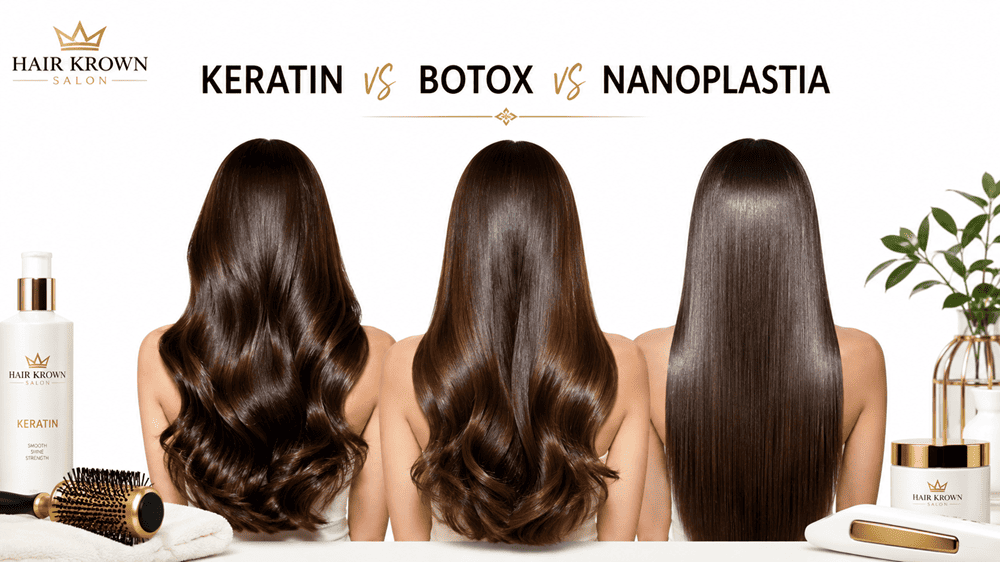
Not every hair concern requires the same treatment. Here’s a simple comparison:
| Treatment | Primary Focus | Best Suited For |
| Hair Spa | Conditioning & nourishment | Dryness, dullness, frizz |
| Keratin | Smoothing & frizz control | Unmanageable, frizzy hair |
| Hair Botox | Conditioning & smoothing | Dry, porous, damaged-looking hair |
| Nanoplastia | Smoothing & restructuring | Frizz and texture management |
The right option depends on your hair’s condition, desired result, maintenance preferences, and previous chemical services.
If you’re deciding between smoothing options, our guide on keratin vs botox vs nanoplastia can help you understand the differences before booking a service.
It’s also worth remembering that terminology and formulas can differ between salons and product manufacturers. A professional consultation is the best way to determine what is appropriate for your hair.
How Often Should You Get a Hair Spa?
There is no universal schedule for hair spa treatments.
For someone with dry, chemically treated, or frequently heat-styled hair, a stylist may recommend conditioning treatments more regularly. Someone with relatively healthy, low-maintenance hair may need them less often.
Your hair’s condition matters more than following a fixed calendar.
If you’re also wondering how often should you get a haircut, remember that trimming and hair spa treatments serve different purposes. A haircut removes unwanted length and split ends, while a spa primarily focuses on conditioning and manageability.
Hair Spa Aftercare: How to Maintain the Results
A professional treatment is only one part of maintaining healthy-looking hair. Your daily routine matters too.
After your hair spa:
- Use a shampoo and conditioner appropriate for your hair type.
- Minimize excessive heat styling and use heat protection when styling.
- Avoid aggressive brushing, especially when hair is wet.
- Follow your stylist’s recommendations for home care.
- Schedule future treatments based on your hair’s condition rather than simply repeating them as frequently as possible.
Pro tip: If your hair is repeatedly colored or chemically treated, tell your stylist about your previous services before receiving another treatment. This allows them to select products and techniques more carefully.
Who Should Consider a Hair Spa?
A hair spa can be particularly useful if your hair is:
- Dry, rough, dull, or frizzy
- Difficult to detangle
- Frequently exposed to heat styling
- Chemically treated or colored
- Feeling less manageable than usual
If you’re specifically looking for women’s hair spa, choosing a salon that assesses your individual hair condition can help you get a more suitable treatment rather than a one-size-fits-all service.
For broader styling, coloring, and treatment options, you can also explore a professional women hair salon.
Why Choose Professional Hair Spa Services?
At-home masks can be useful for routine maintenance, but professional treatments offer an important advantage: personalized assessment.
A trained stylist can look at your hair texture, previous chemical treatments, dryness, porosity, and styling habits before recommending a service.
At Hair Krown, the goal is not simply to make your hair feel good for one day. The treatment should be selected around your hair’s current condition and your desired result.
If you’re searching for a hair salon in brampton, a professional consultation can help determine whether a hair spa—or another treatment such as botox treatment—is the better choice for your needs.
Final Verdict: Are Hair Spa Treatments Worth It?
Yes, a hair spa can be a worthwhile addition to your hair-care routine if your primary concerns are dryness, roughness, frizz, dullness, or reduced manageability.
The most important hair spa benefits come from consistent, appropriate conditioning rather than expecting one treatment to permanently fix severely damaged hair.
Think of a hair spa as professional maintenance for your hair: it can help your strands feel softer, look healthier, and become easier to manage while complementing your regular haircut and home-care routine.
If your hair has been feeling dry, dull, or difficult to manage, book a professional hair spa consultation at Hair Krown and let a stylist recommend the right treatment for your hair type.
Frequently Asked Questions
1. What are the main hair spa benefits?
The main benefits include improved softness, conditioning, manageability, shine, and reduced appearance of dryness and frizz. Results depend on your hair condition and the products used.
2. Is hair spa good for dry and damaged hair?
Yes. A hair spa can provide intensive conditioning that makes dry or damaged-looking hair feel softer and smoother. However, severely damaged hair may require a more targeted professional treatment.
3. How often should I get a hair spa?
There is no fixed schedule. People with dry, chemically treated, or frequently heat-styled hair may benefit from treatments more regularly, while healthier hair may require them less often.
4. Does a hair spa stop hair fall?
A hair spa should not be considered a treatment for medical hair loss. It can support scalp and hair conditioning, but persistent or sudden hair loss should be evaluated by a healthcare professional.
5. Is hair spa better than keratin or hair botox?
Not necessarily. Hair spa primarily focuses on conditioning and nourishment, while keratin and hair botox services may target smoothing and other specific concerns. The best option depends on your hair condition and desired result.
